


The Nature of Luck in Gambling
Luck is a captivating concept in the realm of gambling, often perceived as a driving force behind a player’s success or failure. When entering a casino, the vibrant atmosphere and the sound of spinning reels suggest that luck is a dominant factor influencing game outcomes. For instance, a player who hits a jackpot on a slot machine might attribute their success to sheer luck, reinforcing the belief that fate plays a crucial role in gambling. Additionally, exploring australian betting sites can provide insights into how odds and strategies intertwine with the element of luck, making the relationship between luck and gambling more complex than it initially appears.
Defining luck in this context involves examining the unexpected events that impact a player’s performance. Moments of fortune, like winning a critical hand in poker or getting a favorable spin in roulette, contribute to the perception that luck can sway results. Yet, statistical analysis reveals that while individual instances may seem random, the overall patterns of success are often dictated by player skill, knowledge of the game, and the rules governing each gambling experience. Thus, it is crucial to understand that while luck can create memorable moments, it is not the sole determinant of long-term success in gambling.
Additionally, the psychological aspect of luck cannot be overlooked. Many gamblers engage in rituals, such as carrying lucky charms or repeating specific phrases, in hopes of enhancing their fortunes. These superstitions stem from a natural human desire to exert control over unpredictable outcomes. Recognizing the role of luck in gambling encourages players to approach their experiences with a balanced perspective, allowing them to enjoy the thrill of chance while acknowledging the importance of informed decision-making and strategy.
The Statistical Reality of Casino Games
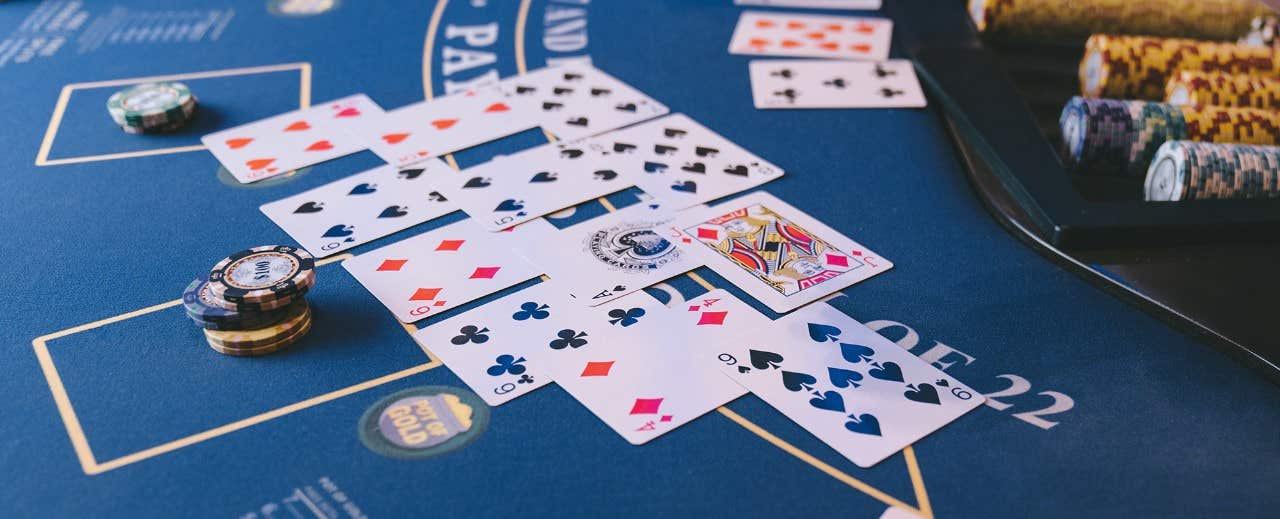
Every casino game is built on a foundation of odds and probabilities, which often overshadows the notion of luck. For example, in blackjack, the dealer has a statistically defined edge that influences the game’s outcome. Players who take the time to understand these odds can make informed decisions that minimize the role of chance. This understanding shows that while luck may play a part in individual hands, the broader context of the game is heavily influenced by mathematical principles that can be learned and applied strategically.
Slot machines, despite their reliance on random number generators, also have defined return-to-player (RTP) percentages. This statistic indicates that players can expect to recover a certain portion of their bets over time, framing the role of luck within a more predictable context. Savvy players who choose games with higher RTP percentages are more likely to experience favorable outcomes, illustrating that knowledge and strategy can often yield better results than relying solely on luck. Understanding these statistical realities enriches a player’s gaming experience and enhances their ability to navigate the complexities of casino games.

Even in games like roulette, which are frequently perceived as purely luck-based, players can adopt strategies to mitigate risk and manage their bets effectively. For instance, placing multiple smaller bets might lead to more frequent, albeit smaller, wins. This approach not only lessens the immediate impact of luck but also allows players to engage with the odds in a more strategic manner. By aligning their betting strategies with the statistical realities of the game, players can take control of their gambling experiences, showcasing that skill and knowledge can significantly influence outcomes beyond the realm of luck.
The Role of Psychology in Gambling Outcomes
The psychological interplay between luck and gambling profoundly impacts how players perceive their experiences. A common phenomenon known as the “gambler’s fallacy” occurs when players mistakenly believe that past outcomes will influence future results. For example, if a roulette wheel hasn’t landed on black for several spins, players might feel that black is “due” to come up, leading to potentially reckless betting decisions that are rooted more in superstition than statistical reality. This cognitive bias illustrates how the belief in luck can cloud judgment, making it essential for gamblers to cultivate a rational understanding of probability.
Moreover, a player’s emotional state can greatly affect their gambling decisions and outcomes. Confidence can enhance a player’s decision-making abilities, leading to more strategic choices when placing bets. Conversely, feelings of frustration or anxiety can cause impulsive actions that may exacerbate losses. By recognizing these psychological influences, players can work to harness their emotions, ensuring that their gambling remains a strategic endeavor rather than a reactionary one driven by the whims of luck.
The social environment of a casino can further amplify the belief in luck. The excitement of a bustling gaming floor, where players cheer for significant wins, fosters a sense of collective energy that can reinforce the notion of luck being an influential factor. Gamblers often feel a shared connection to the atmosphere, which may lead them to believe they can tap into a communal luck. Understanding these psychological dynamics can help players approach their gambling experiences with a more balanced perspective, recognizing that while luck may play a role, a disciplined and informed approach to decision-making often yields better outcomes.
Strategies to Enhance Winning Potential
While luck is an unpredictable element in the world of gambling, players can adopt strategies that may enhance their winning potential. One critical step is selecting games with favorable odds and higher RTP percentages. For example, games like poker and blackjack offer opportunities for strategic play that can significantly reduce the impact of luck. By mastering the rules and developing effective strategies, players can tilt the odds more in their favor, demonstrating that skill and knowledge often eclipse mere chance in determining success.
Another vital strategy is effective bankroll management. Setting a budget and adhering to it can help gamblers maintain control over their spending, mitigating the influence of impulsive decisions fueled by the hope that luck will turn in their favor. By establishing limits on both wins and losses, players can create a more disciplined gambling environment, allowing them to enjoy the experience without facing dire financial consequences. This strategic approach inherently minimizes the role of luck by fostering a mindset rooted in preparation and self-control.
Finally, understanding the rules and strategies of a game empowers players to make informed decisions. Familiarity with game mechanics, odds, and even the psychology of opponents in games like poker can lead to more favorable outcomes. Participating in practice sessions or utilizing free play options allows individuals to hone their skills without financial pressure. These proactive strategies highlight that while luck plays a role in gambling, informed decision-making, combined with strategic planning, can significantly influence outcomes, making the experience more rewarding.
Exploring More on Gambling and Strategies
For those intrigued by the intricate balance between luck and strategy in gambling, numerous resources are available to deepen understanding. Insightful articles, books, and forums provide valuable information on optimal betting strategies, analyses of game mechanics, and psychological approaches to gambling. By educating themselves about these elements, players can enhance their gaming experiences while cultivating a strategic mindset that helps navigate the unpredictable nature of luck.
Engaging with communities that focus on gambling strategies can also be incredibly beneficial. Players can share experiences, exchange tips, and discuss common strategies that blend luck and skill. These interactions foster a sense of camaraderie among gamblers, encouraging them to view their experiences through a lens of collective knowledge rather than relying solely on individual luck. By learning from others, players can further refine their approaches to gambling, enhancing both enjoyment and potential success.
Ultimately, while luck undeniably plays a role in gambling, players have the power to significantly influence their outcomes through informed decision-making, strategic planning, and psychological awareness. By balancing their approach to luck with an understanding of game mechanics, players can enrich their overall gaming experiences, making each visit to the casino not only enjoyable but also potentially rewarding.